7-Day Campervan Route Through Mallorca: The Definitive Itinerary
The definitive itinerary for exploring Mallorca by campervan in 7 days: Tramuntana, north, east, south and interior. Beaches, villages, coves and practical tips to experience the island in full.
Julián · Founder of Babilon Caravan
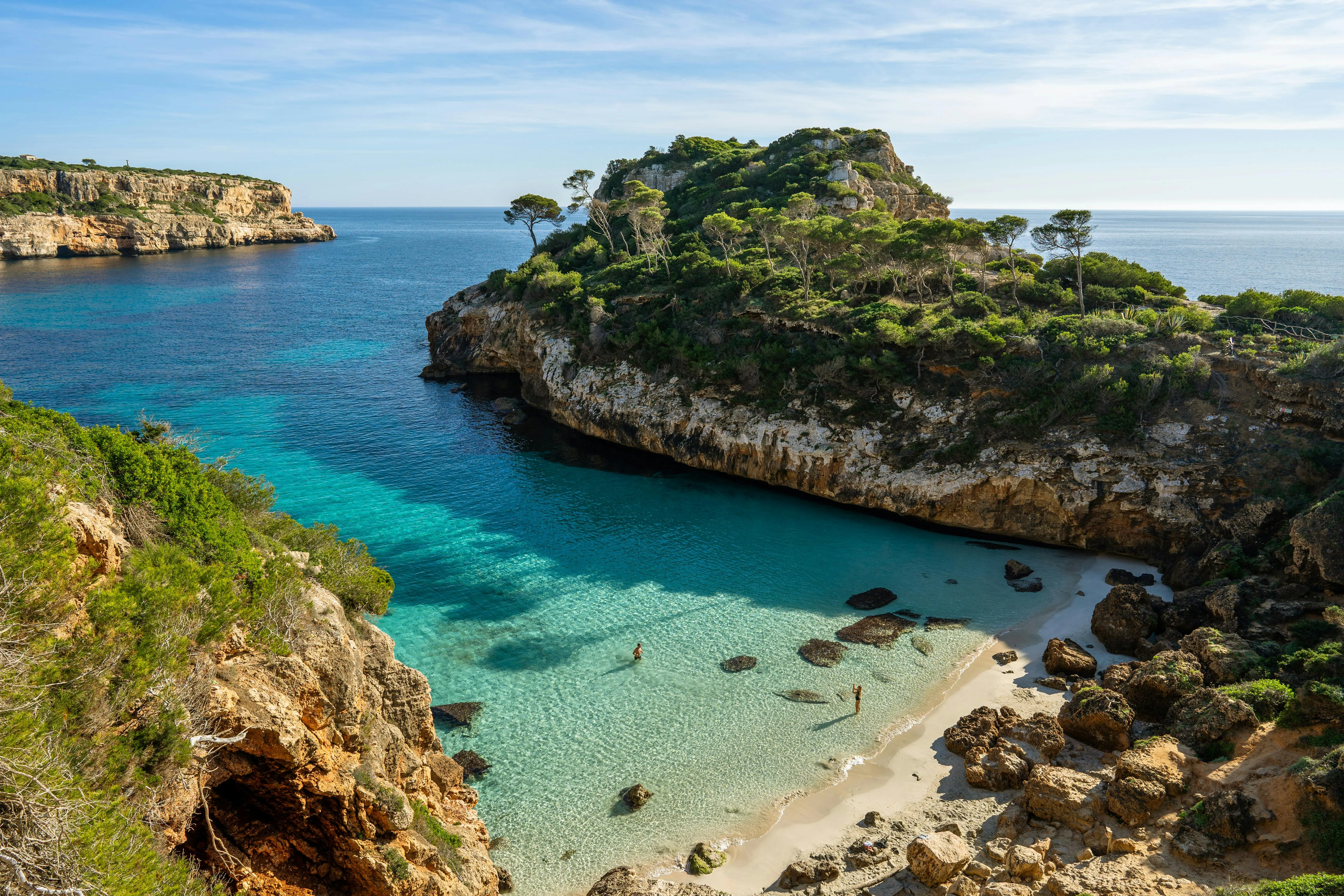
Seven days. The whole island. No rush, no hotel. This is the Mallorca campervan route you won’t regret taking.
With a week aboard our Tessoro 463 Up, you have more than enough time to see the island’s iconic highlights and escape the tourist circuits: the Serra de Tramuntana at sunrise, the eastern coves before the crowds arrive, the inland village markets and the wild beaches of the south. Everything at your own pace, sleeping each night in a different place.
This itinerary covers around 450 km in total — an average of less than 70 km per day, very comfortable for enjoying the journey without it becoming all about driving.
Day 1 — Palma and the Serra de Tramuntana (~50 km)
We start at our base in Palma. Before you set off, we spend half an hour with you going over the campervan: the kitchen, bathroom, water tanks and solar panel. No rush.
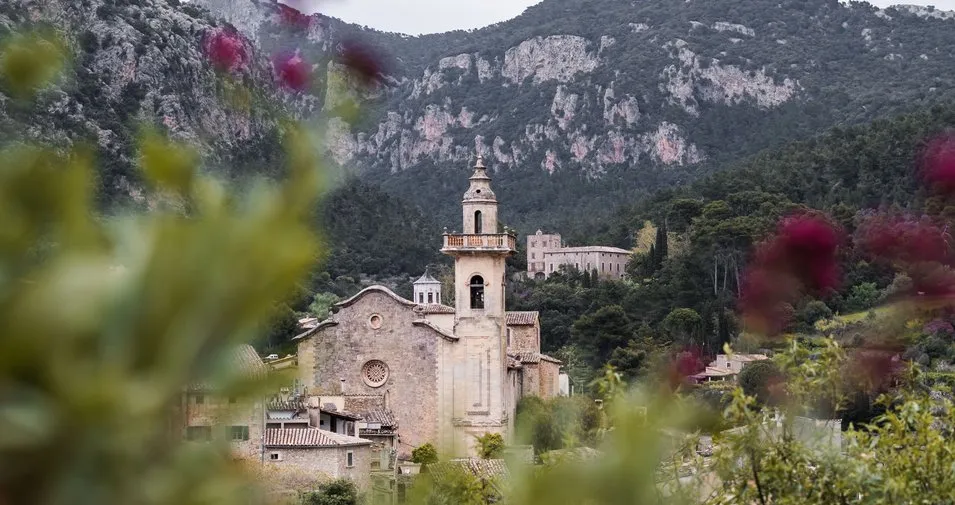
Morning: Valldemossa
First stop, just 17 km away: Valldemossa. One of the most beautiful villages in Spain, with its cobblestone streets, flower-filled pots and the Carthusian monastery where Chopin and George Sand spent the winter of 1838. Worth a slow morning.
Tip: Park in the public car park at the village entrance (free early in the morning). The centre is pedestrian-only.
Midday: Deià and the Cala de Deià
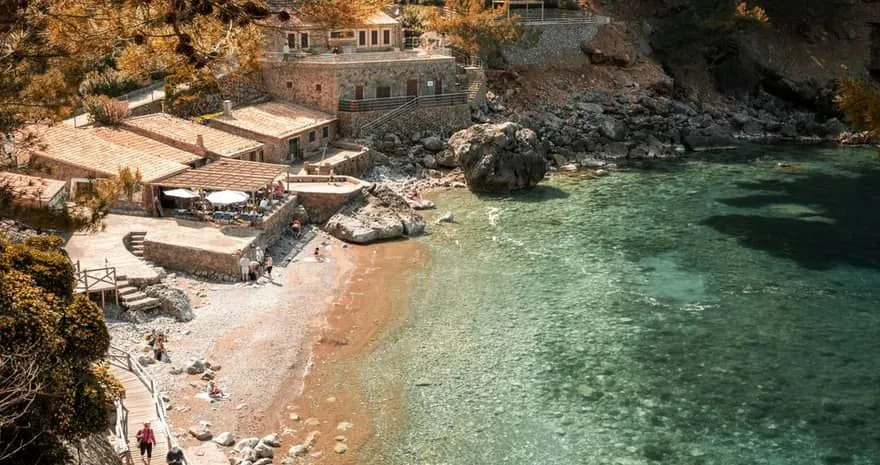
10 km of winding road through century-old olive trees leads to Deià, the village of artists and writers. Leave the campervan at the top and walk 15 minutes down to the Cala de Deià: pebbles, cliffs and water of unnatural clarity. One of the best swims of the whole trip.
Afternoon and evening: Port de Sóller
Arrive at Port de Sóller for sunset. The seafront promenade in the afternoon light is one of the best moments of this journey.
Where to sleep: Port de Sóller service area — grey water disposal, fresh water refill, and the sea a hundred metres away.
| Leg | Distance | Estimated time |
|---|---|---|
| Palma → Valldemossa | 17 km | 25 min |
| Valldemossa → Deià | 10 km | 20 min |
| Deià → Port de Sóller | 23 km | 35 min |
| Day 1 total | ~50 km | ~1.5 h driving |
Day 2 — Wild Tramuntana: Sa Calobra and Formentor (~90 km)
The most spectacular day of the trip. The Serra de Tramuntana, a UNESCO World Heritage Site since 2011, at its finest.
Morning: Sa Calobra and the Torrent de Pareis
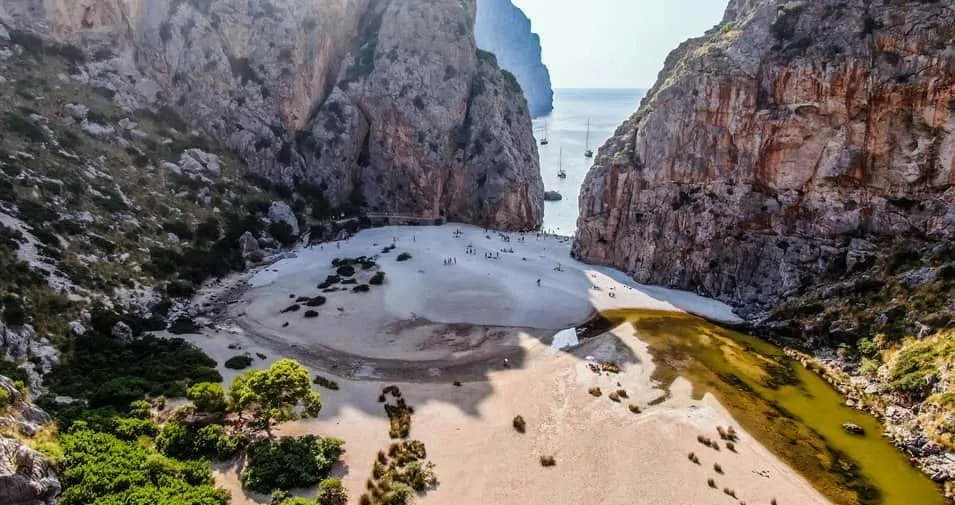
The road to Sa Calobra is one of the most photographed in Europe: 12 km of sharp bends with views over the Mediterranean. At the end, the Torrent de Pareis — a limestone gorge that opens out onto a pebble beach surrounded by 200-metre walls.
6 km away, Cala Tuent is the quieter, crowd-free version. Turquoise water, shade and silence.
Tip: Arrive before 10am. After that, coaches clog the road.
Midday: Cap de Formentor
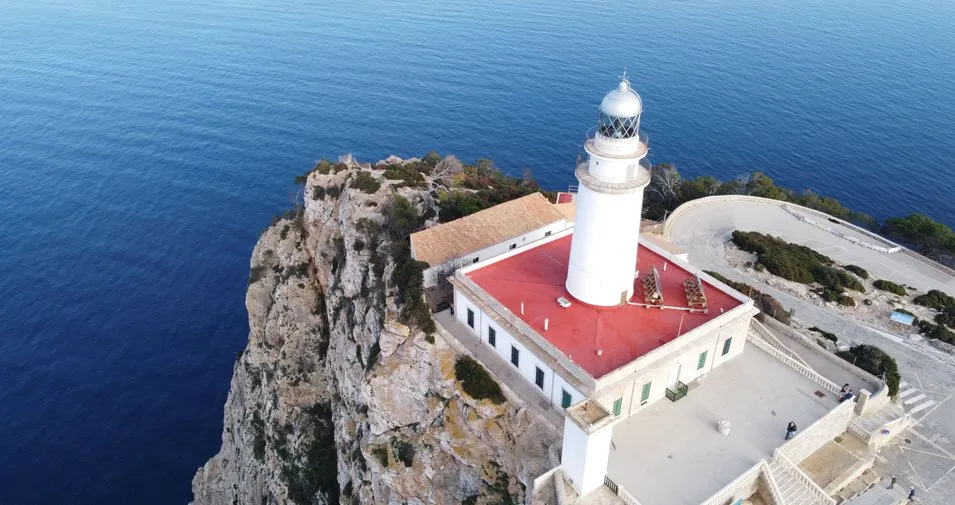
Drive to the northern tip of the island: the Cap de Formentor. From the lighthouse, 360° views over the Mediterranean with 200-metre cliffs dropping to the sea. Have lunch in the campervan at the lighthouse car park — literally the best terrace on the island.
Afternoon: Port de Pollença
Head down to peaceful Port de Pollença for a walk, and to top up water and provisions at the supermarket.
Where to sleep: Designated campervan areas around Pollença and Alcúdia.
| Leg | Distance | Estimated time |
|---|---|---|
| Port de Sóller → Sa Calobra | 30 km | 50 min |
| Sa Calobra → Cap de Formentor | 40 km | 1 h |
| Formentor → Port de Pollença | 20 km | 30 min |
| Day 2 total | ~90 km | ~2.5 h driving |
Day 3 — The North: Alcúdia, Playa de Muro and the s’Albufera Natural Park (~40 km)
A day to slow down and enjoy the quieter north.
Morning: Medieval Alcúdia
Alcúdia has a 14th-century medieval wall enclosing a perfectly preserved historic centre. Walk through the old town, have coffee in the square and visit the Roman ruins of Pollentia — the most important Roman city in Mallorca, just 10 minutes on foot.
Midday and afternoon: s’Albufera Natural Park and Playa de Muro
The s’Albufera Natural Park is the largest wetland in the Balearic Islands: 1,700 hectares of marshes, lagoons and reed beds with over 230 bird species. Entry is free and the trails are perfect for cycling.
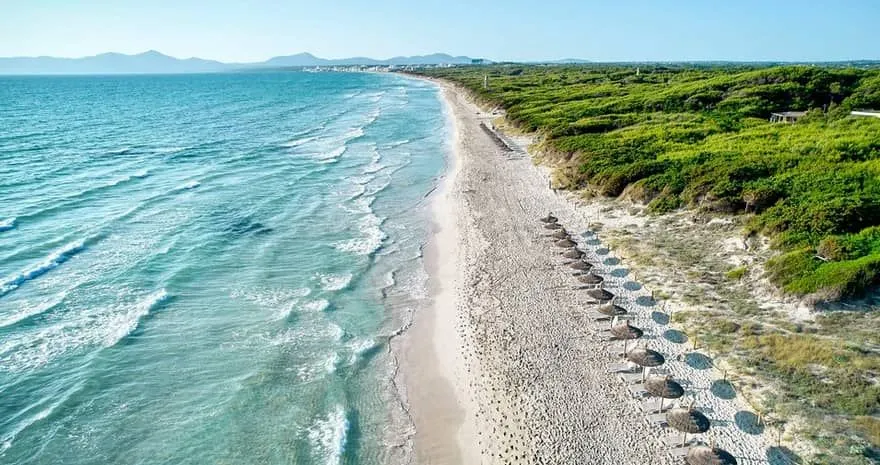
Right next to it, Playa de Muro — 7 km of fine sand and shallow water, ideal for families. One of the best beaches in the north without the crowds of Alcúdia.
Where to sleep: Campsite or campervan area in the Alcúdia or Can Picafort area.
Day 4 — The East: Artà, Cala Mesquida and Cala Ratjada (~60 km)
We cross the island to the east coast — the wildest, least touristy stretch of Mallorca’s shoreline.
Morning: Artà
Artà is one of the most authentic villages on the island: no marina, no resort. The Arab-Christian castle crowning the village offers spectacular views over the inland fields. The Tuesday market is the oldest in Mallorca.
Midday: Cala Mesquida
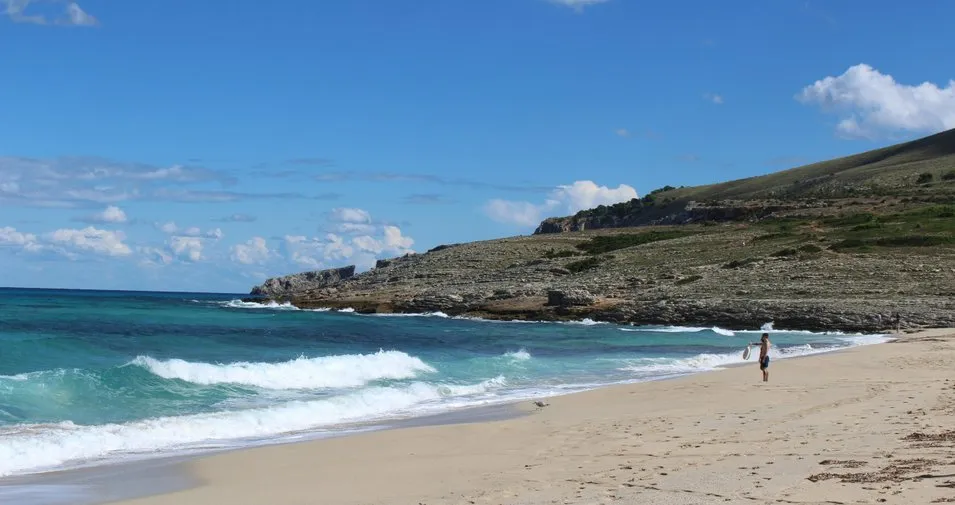
One of the few natural coves on the east coast with dunes: Cala Mesquida. Transparent water, fine sand and very few facilities — which is exactly its charm. Campervan parking 200 metres away.
Afternoon: Cala Ratjada
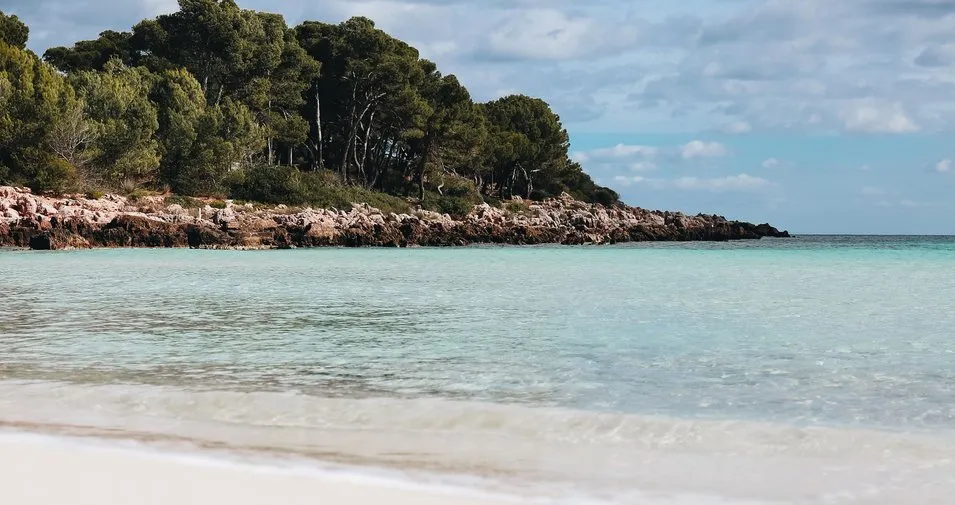
Cala Ratjada is a fishing village with a lighthouse, a palm-lined promenade and small sheltered coves. Perfect for a seaside dinner and a good night’s rest.
Where to sleep: Campervan area in Cala Ratjada or nearby campsites.
| Leg | Distance | Estimated time |
|---|---|---|
| Alcúdia → Artà | 40 km | 45 min |
| Artà → Cala Mesquida | 12 km | 20 min |
| Cala Mesquida → Cala Ratjada | 8 km | 15 min |
| Day 4 total | ~60 km | ~1.5 h driving |
Day 5 — Coves del Drach, Cala Mondragó and Porto Colom (~70 km)
The most varied day: caves, a protected natural park and a picture-perfect harbour.
Morning: Coves del Drach
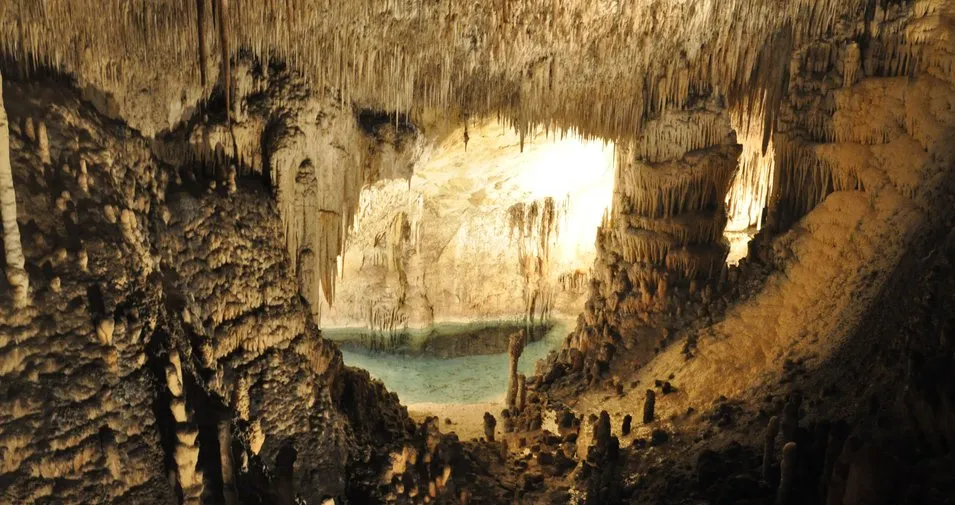
The Coves del Drach in Porto Cristo are unmissable: 4 km of underground galleries with millennia-old stalactite and stalagmite formations, and Lake Martel — one of the largest underground lakes in the world. Guided tours run every hour and end with a classical music concert on a boat.
Book tickets online to avoid queues — they sell out in high season.
Midday: Cala Mondragó
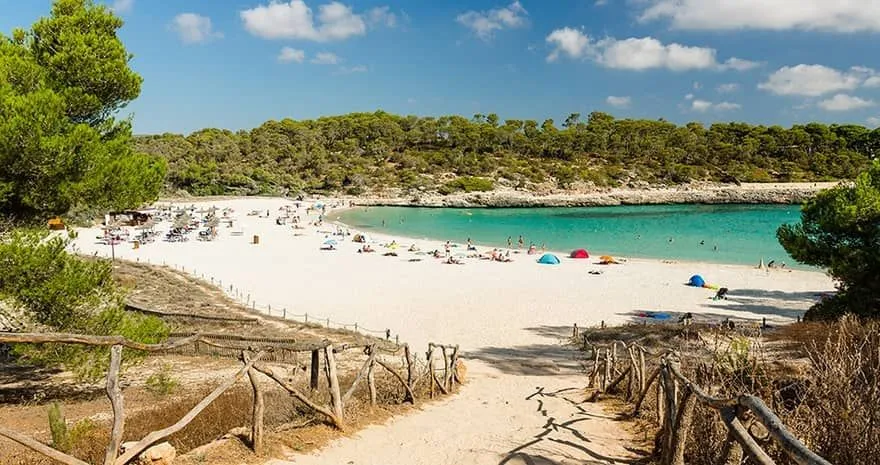
Inside the Mondragó Natural Park, Cala Mondragó and Cala s’Amarador are twin coves of crystal-clear water over white sand. Protected area: no jet skis, no noisy beach bar. Exactly what you want on day five.
Afternoon: Porto Colom
The fishing harbour of Porto Colom is one of the most beautiful on the island: colourful houses reflected in the water, wooden boats and a calm that contrasts with the busy ports elsewhere. Great for dinner at a reasonable price.
Where to sleep: Campsites in the Felanitx area or nearby spots.
Day 6 — The South: Es Trenc and Colònia de Sant Jordi (~50 km)
The south of Mallorca holds the wildest beaches and the most Caribbean-coloured water on the island.
Morning: Colònia de Sant Jordi
Colònia de Sant Jordi is the departure point for excursions to Cabrera — the only national park archipelago in Spain. If you have an extra day, it’s well worth it. If not, the harbour walk and the rocky coves around the village are reason enough to stop.
Midday and afternoon: Es Trenc
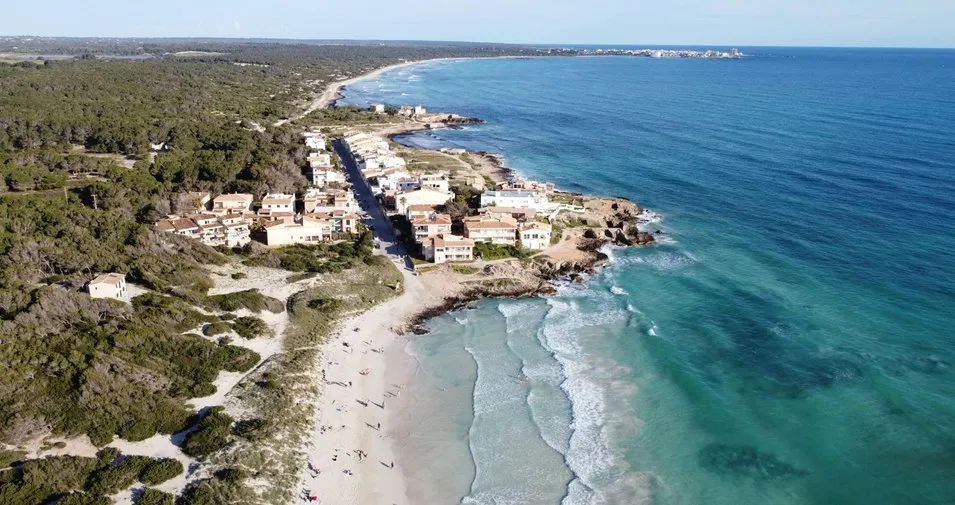
Es Trenc is the longest, wildest beach in Mallorca: nearly 4 km of white sand and Caribbean-coloured water, with no buildings or hotels in sight. It’s protected by law, and you can tell — it’s one of the few beaches on the island that still feels like a secret.
Arrive early. In July and August it fills up from 11am onwards.
Where to sleep: Campervan area in Sa Ràpita or Sa Colònia de Sant Jordi.
| Leg | Distance | Estimated time |
|---|---|---|
| Porto Colom → Colònia de Sant Jordi | 35 km | 40 min |
| Colònia de Sant Jordi → Es Trenc | 15 km | 20 min |
| Day 6 total | ~50 km | ~1 h driving |
Day 7 — The Interior: Petra, Sineu and Back to Palma (~90 km)
The final day is dedicated to the real Mallorca: the island’s interior, village markets and fields of almond trees and vineyards.
Morning: Petra and Junípero Serra
Petra is the birthplace of Friar Junípero Serra, the Mallorcan monk who founded the California missions in the 18th century. The house-museum, honey-coloured stone streets and the quietness of a village that doesn’t appear in many guidebooks make it a genuine find.
Midday: Sineu and its market
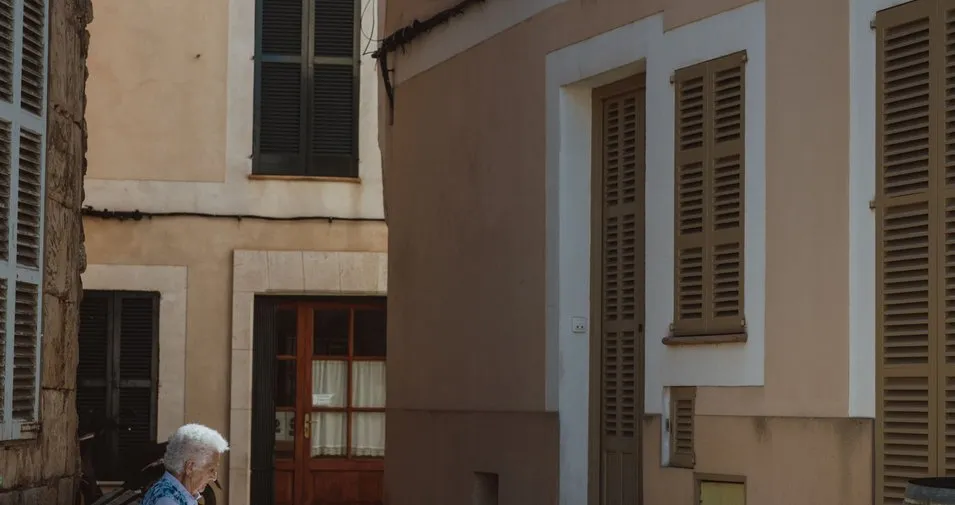
Sineu is the most central village on the island, and its Wednesday market — the most important in the interior — has been running without interruption since the 14th century. Fruit, vegetables, clothes, crafts and plenty of Mallorcan spoken at the stalls.
Lunch in the main square: several restaurants offer a daily set menu with authentic Mallorcan cuisine for under €15.
Afternoon: Binissalem and back to Palma
Binissalem is the heart of Mallorca’s wine-producing denomination of origin. If you fancy a winery visit before returning the campervan, this is your moment. Several bodegas welcome visitors without prior booking.
Back to Palma via the motorway (35 km, 30 minutes). Handing back the campervan is relaxed: we check the vehicle together, verify the tanks, and in under 30 minutes you have your deposit back.
| Leg | Distance | Estimated time |
|---|---|---|
| Es Trenc → Petra | 35 km | 40 min |
| Petra → Sineu | 12 km | 20 min |
| Sineu → Binissalem | 15 km | 20 min |
| Binissalem → Palma | 28 km | 30 min |
| Day 7 total | ~90 km | ~2 h driving |
Full itinerary summary
| Day | Area | Distance |
|---|---|---|
| 1 | Palma → Tramuntana → Port de Sóller | ~50 km |
| 2 | Sóller → Sa Calobra → Formentor → Pollença | ~90 km |
| 3 | Pollença → Alcúdia → Playa de Muro | ~40 km |
| 4 | Alcúdia → Artà → Cala Mesquida → Cala Ratjada | ~60 km |
| 5 | Cala Ratjada → Coves del Drach → Mondragó → Porto Colom | ~70 km |
| 6 | Porto Colom → Colònia de Sant Jordi → Es Trenc | ~50 km |
| 7 | Es Trenc → Petra → Sineu → Binissalem → Palma | ~90 km |
| Total | ~450 km |
What’s included with your Babilon Caravan rental
So you don’t have to worry about a thing, the campervan leaves our base fully equipped:
- Fully comprehensive insurance — stress-free driving
- Unlimited kilometres — explore the whole island without watching the odometer
- Complete kitchen kit — pots, pans, cutlery, glasses and plates for 5 people
- Bed linen and towels — sheets, pillows, blankets and bath towels included
- 24/7 roadside assistance — if you need us, call and we’re there
- 200 W solar panel — off-grid power for several days without needing to plug in
Practical tips for 7 days in a Mallorca campervan
Free camping: Prohibited throughout Mallorca. Always use designated campervan areas (many free of charge) or campsites. The Park4Night app shows the best spots validated by other travellers.
Water and waste: In Sóller, Pollença, Alcúdia, Colònia de Sant Jordi and several campsites you can refill with fresh water and empty grey water. With the Tessoro’s 200 W solar panel, electricity is never a concern.
Mountain roads: The Tessoro 463 Up is 7.48 m long and 2.30 m wide — it handles the Tramuntana roads with ease. On Sa Calobra and Formentor, drive slowly and use the passing places when there’s oncoming traffic.
Best time for 7 days: May, June or September. Guaranteed good weather, uncrowded coves and more reasonable prices than peak August. July–August is also fantastic, but book well in advance.
Supplies: The largest supermarkets are in Palma, Alcúdia, Inca and Manacor. Small villages have food shops but with more limited hours. Stock up on the days you pass through larger towns.
Ready for the route?
Seven days through Mallorca in a campervan is an experience very few travellers allow themselves — and one that none of them regret. You sleep where the sunset surprises you, wake up to the sound of the sea or a village church bell, and each morning you decide where to go next.
Check availability and book your campervan →
Got questions about any of the stages or want to adapt the itinerary for your group? Get in touch — we’ve been exploring this island for years and know every corner of it.